
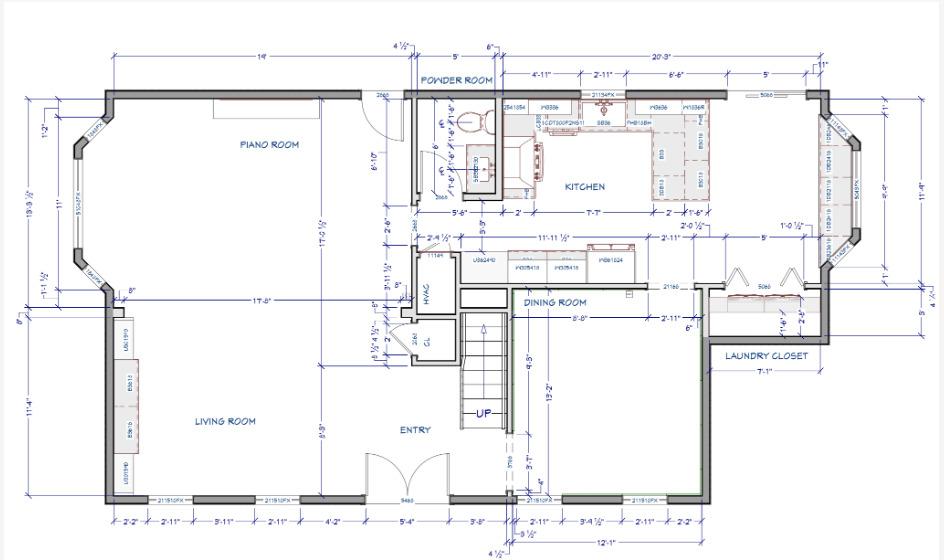
How Intentional Layout Design Creates Homes That Actually Work
If a home doesn’t flow, it doesn’t matter how beautiful the finishes are.
That might sound bold, but it’s one of the biggest lessons we’ve learned after decades of designing homes — and it’s exactly why floor plans are where every successful project truly begins.
In a recent episode of Designing in 5D, I sat down with Haylee Meador, one of our designers who lives deep in the world of space planning, to talk about something homeowners often overlook: how a home functions before it ever looks finished.
Because design isn’t just about what you see.
It’s about how you move, live, gather, rest, and breathe inside a space.
Pretty Isn’t Enough
We’ve all seen it — stunning kitchens, gorgeous tile, beautiful lighting — and yet something feels off.
The reason is almost always the same: the layout wasn’t designed intentionally.
You can invest in the most beautiful materials in the world, but if:
-
traffic paths are tight
-
furniture doesn’t actually fit
-
sightlines feel awkward
-
or rooms don’t support how you live
…the home will never feel calm or intuitive.
That’s where intentional space planning changes everything.
What Designers Look for First in a Floor Plan
When Haylee opens a floor plan for the first time, she isn’t thinking about finishes yet. She’s looking at:
-
how people enter and move through the space
-
hallway widths and circulation paths
-
furniture placement and clearances
-
kitchen work zones and appliance spacing
-
window placement relative to how rooms are used
Before anything is “designed,” the plan has to make sense on paper — and in real life.
This step alone often reveals issues homeowners don’t notice until construction has already started.
Why Furniture Planning Comes First (Not Last)
One of the most common mistakes we see is designing rooms without placing furniture.
On paper, a room might look generous — until a sectional, chairs, tables, and walking paths are added. Suddenly, there’s no space to move comfortably.
When furniture planning happens early:
-
rooms are sized correctly
-
extensions can be evaluated before construction
-
awkward adjustments and costly change orders are avoided
This is especially critical in kitchens, living rooms, and primary suites — the spaces you use every single day.
Architects, Designers, and Trades: Different Roles, One Vision
Architects do incredible work. Their focus is structure, form, and exterior balance.
Designers bring another layer:
-
how it feels to walk through a space
-
how rooms connect emotionally and functionally
-
how daily routines actually unfold inside the home
Neither replaces the other — they work best together.
When designers are involved early, architectural plans can be refined to support real-life living before they’re finalized, saving time, money, and stress later.
Why “Final Plans” Still Need Design Eyes
One of the biggest misconceptions is that once architectural plans are complete, the layout is finished.
In reality, that’s often when the most important design questions begin:
-
Is this entry comfortable or awkward?
-
Can furniture actually be moved into this room?
-
Does this hallway feel open or claustrophobic?
-
Are windows aligned with how the space will be used?
Small shifts at this stage can dramatically change how a home feels — and prevent regret later.
Flow Is Emotional, Not Just Technical
Flow isn’t just measurements and codes. It’s emotional.
A well-designed home:
-
reduces mental clutter
-
supports calm and connection
-
makes daily life feel easier
That’s why we spend so much time asking questions before drawing anything:
-
How do you live now?
-
How do you want to live next year — or ten years from now?
-
Where do you gather?
-
Where do you retreat?
Design should support your lifestyle — not force you to adapt to the house.
The Power of Designing Before Construction Begins
One of the most important things we shared in this episode is this:
We don’t solve layout problems mid-construction.
Instead, we design deeply before a contractor ever breaks ground.
This allows:
-
real pricing tied to real decisions
-
thoughtful value engineering
-
visual clarity before financial commitment
When clients can see options side by side — with actual numbers attached — they can make confident decisions without sacrificing the integrity of the design.
Why Our 5D Process Starts With Discovery
This is exactly why the 5D Process begins with discovery.
Before we talk about style or finishes, we learn:
-
how you move through your home
-
what frustrates you now
-
what you want your space to support
From there, design becomes intentional instead of reactive.
That’s the difference between a home that looks good and one that feels aligned.
The Mistakes Homeowners Make (and How to Avoid Them)
Two of the biggest layout mistakes we see:
-
Forcing trends that don’t fit your life
-
Trying to shrink circulation space to “fit more”
Hallways, clearances, and breathing room aren’t wasted space — they’re what make a home feel expansive and calm.
When flow is sacrificed on paper, discomfort shows up in daily life.
Design Is the Foundation, Not the Finish
Every project needs a designer — not for decoration, but for clarity.
Designers bridge:
-
intuition and logic
-
vision and construction
-
emotion and execution
When done well, design protects your investment, your time, and your peace.
Final Thoughts
If you’re planning a remodel, a new build, or living in a home that just doesn’t feel right, this is your reminder:
Great design begins long before construction starts.
Your home should support your routines, relationships, and rest — not fight against them.
And it all starts with intentional space planning.
🎧 You can listen to the full episode of Designing in 5D wherever you stream podcasts.
If you’d like guidance creating a home that truly works for your life, we’d love to help you achieve your vision.