

As we enter the new year, it’s time to say goodbye to some design trends that are losing popularity, while welcoming fresh trends that are taking center stage. Much like the fashion industry, interior design trends tend to lose popularity over time but often resurface after several years. So, while we’re saying goodbye for now, many of these trends will undoubtedly make a comeback in the future.
What We’re Saying Goodbye to in 2025:
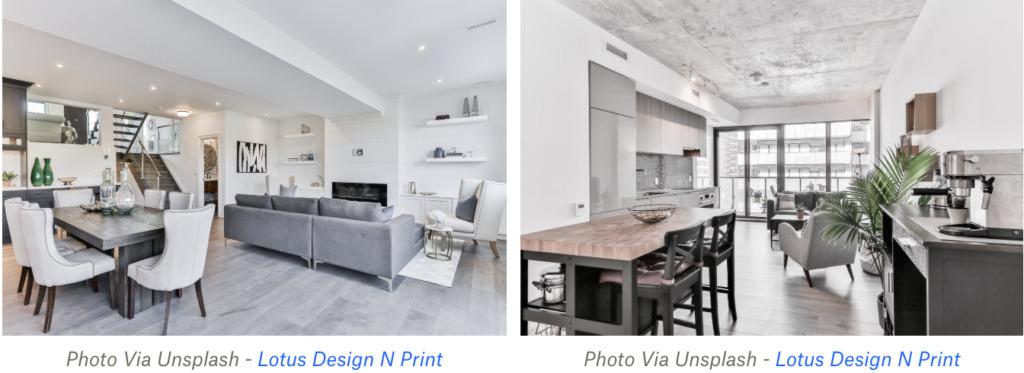
1. The Dominance of Gray Tones
The gray trend emerged in the late 2000s, largely due to the influence of Scandinavian design and the desire for minimalism, particularly during the economic uncertainty of 2007-2008. The neutral, calming qualities of gray became a safe choice for many, reflected in everything from wall colors to flooring and furniture. While gray will always have a place in design, 2025 marks a shift away from its widespread use, as people seek more warmth and character in their spaces. This year, we’re moving toward richer, warmer tones that evoke a sense of comfort and individuality.
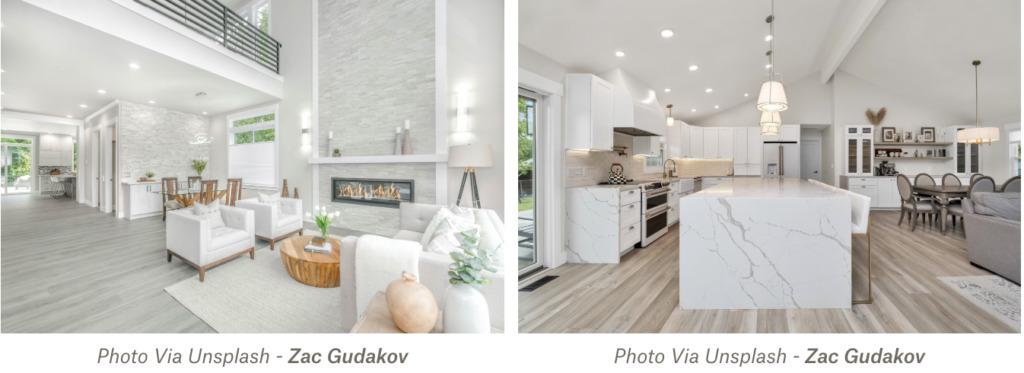
2. Fully Open Concept Homes
Open concept layouts, which gained popularity in the early 2000s, are now evolving. While there will always be big benefits to an open concept home, there is a growing desire for more defined, intimate spaces that offer a sense of privacy. People are realizing that separation between living areas can create a more comfortable and functional environment. Kitchens, in particular, are shifting toward a more streamlined design, with high-quality materials and functional layouts, with kitchen major elements being tucked away in dedicated, well-designed pantries.
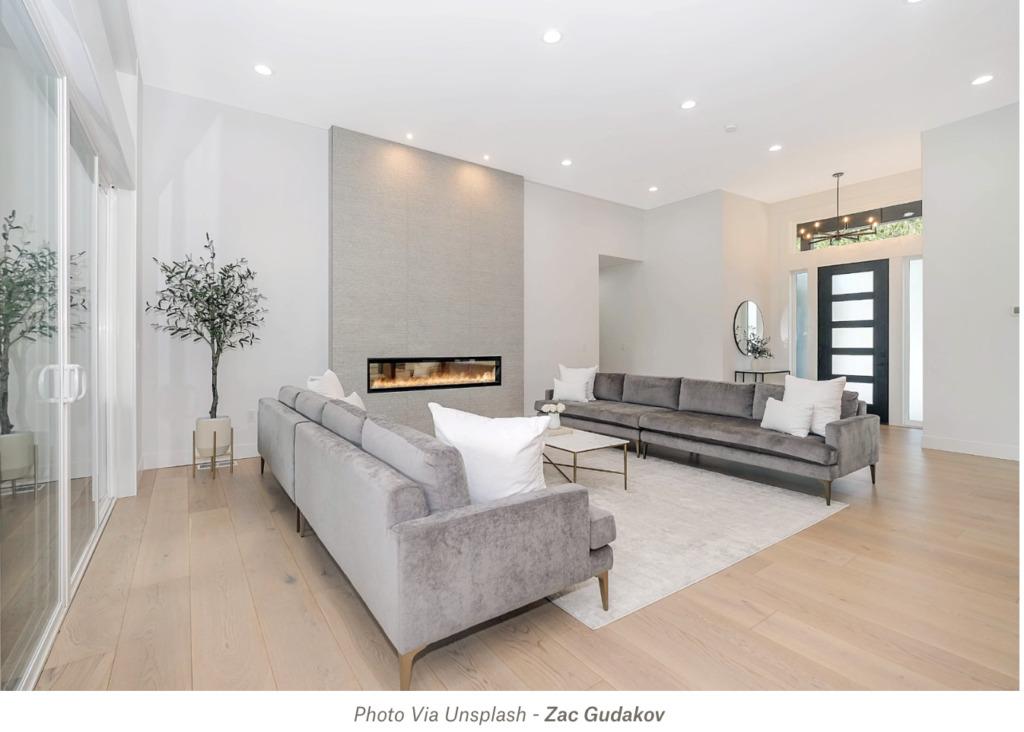
3. Matchy-Matchy Designs
The trend of overly coordinated, symmetrical interiors is on its way out. Designers and homeowners are embracing a more relaxed, organic approach to spaces, opting for a “collected” feel rather than a perfectly curated one. Mixing different furniture pieces, textures, and patterns is becoming increasingly popular, as people desire rooms that feel authentic, lived-in, and personal, rather than overly planned or contrived.
Design Trends We’re Welcoming in 2025:
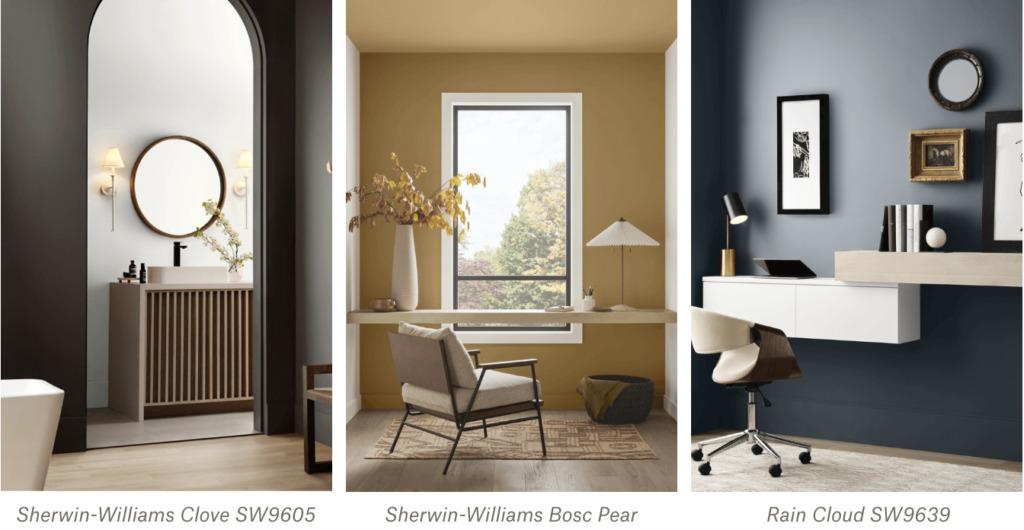
1. Warm, Earthy Color Palettes
In 2025, we’re seeing a return to warm tones. Shades of brown, red, and terracotta are making a strong comeback, with many brands selecting these hues as their “Color of the Year.” Color forecasting is a huge part of brands like Sherwin Williams. They have a unique ability to predict trends years in advance, drawing from cultural shifts and past design movements. This year’s warm, earthy palette is a direct response to the cool, neutral tones of the past decade, and it brings a sense of comfort and richness to home interiors.
2. Curved Lines and Organic Shapes
Curves are making a major return in both home furnishings and architectural elements. From curved staircases and arches to rounded furniture pieces and iron railings, organic forms are replacing the rigid, straight lines that dominated previous years. This shift towards softer, more fluid shapes aligns with a broader move away from perfection toward spaces that feel more natural and lived-in. Curved elements help create a welcoming, warm atmosphere in homes and commercial spaces alike.
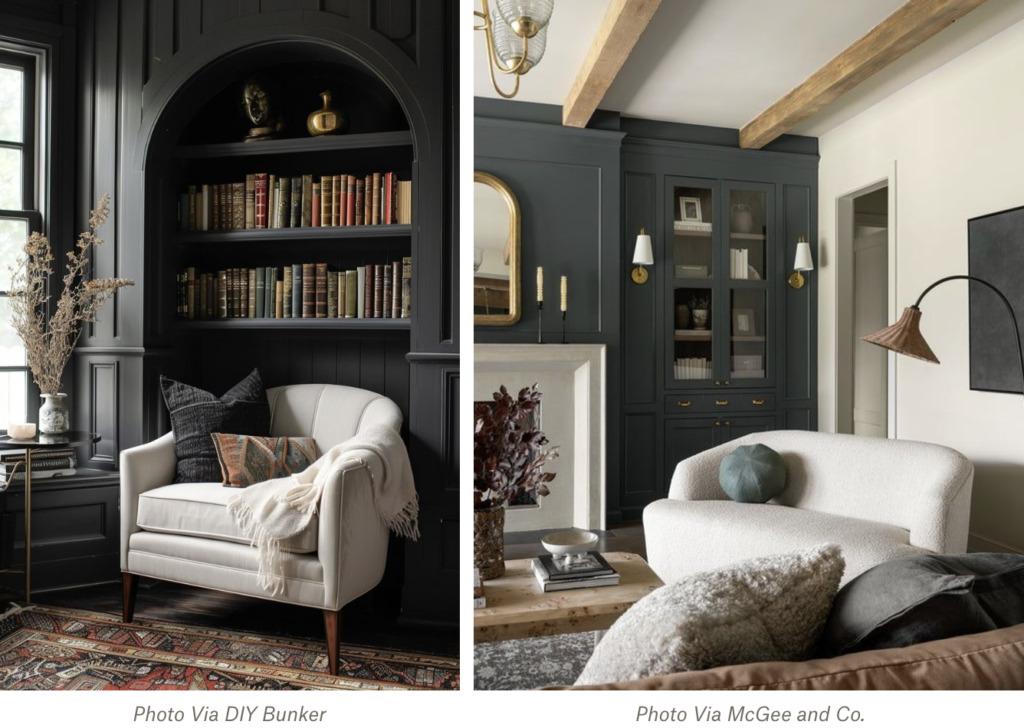
3. One-of-a-Kind, Personalized Elements
Another key trend in 2025 is the focus on unique, custom-designed elements that make spaces feel truly personal. Homeowners are increasingly investing in bespoke furnishings, custom artwork, and one-of-a-kind accessories that reflect their style and personality. Additionally, many are turning to secondhand and vintage pieces to add character to their homes. This trend not only supports sustainability but also helps create a distinctive, eclectic aesthetic that can’t be replicated in mass-produced spaces.

2025 marks a significant shift in interior design, moving away from trends that have become ubiquitous in recent years, and embracing styles that prioritize warmth, individuality, and sustainability. From rich color palettes to the resurgence of organic shapes and personalized, unique design elements, the new trends reflect a growing desire for spaces that feel both authentic and timeless.