
The Connection Between Your Space and Your Well-Being
Have you ever walked into a room and instantly felt calm and relaxed, or the opposite—stressed and overwhelmed? That’s because your environment plays a huge role in your mental health, stress levels, and emotional well-being.
In this episode of Designing in 5D, Jodi Peterman sits down with Stephanie Butler, a licensed mental health therapist and owner of Clarity Counseling & Wellness, to explore the deep connection between interior design and mental wellness.
If you\’ve ever struggled with decluttering, decision fatigue, or creating a space that truly feels like home, this conversation is for you.
Why Interior Design Matters for Mental Health
Your home should be a sanctuary, not a stressor. When your environment is cluttered, poorly lit, or filled with colors that don’t align with your emotions, it can subconsciously affect your mood, productivity, and even your ability to relax.
✔️ Clutter Can Cause Anxiety – A disorganized home can create mental chaos and make it harder to focus.
✔️ Color Psychology is Real – Certain hues, like soft blues and earth tones, promote calm and relaxation, while harsh, bright colors can be overstimulating.
✔️ Lighting Impacts Mood – Poor lighting (especially artificial LED lighting) can contribute to fatigue and seasonal affective disorder (SAD).
✔️ Textures & Natural Elements Matter – Soft textures, cozy throws, and natural materials like wood or linen create a grounding, safe atmosphere.
Decluttering: The First Step to a Calmer Home
One of the easiest ways to transform your mental space is to declutter your physical space. Stephanie shared how clutter is directly linked to emotional overwhelm, and tackling even a small space can lead to big mental shifts.
How to Start Decluttering Without Overwhelm
🔹 Start Small – Instead of taking on an entire room, begin with one drawer or one shelf.
🔹 Use the “Does This Serve Me?” Rule – If an item no longer serves you, it may be time to donate or repurpose it.
🔹 Think About Function First – Before bringing in new decor, make sure your space is functional for your lifestyle.
🚀 Pro Tip from Jodi: If you’re planning a home remodel, declutter first so you’re designing around what you actually use and love—not what you’ve accumulated over time.
The Psychology of Color: Choosing Hues That Heal
Did you know that different colors evoke different emotions? Stephanie and Jodi explored how color choices in your home can impact your mood and energy levels.
🎨 Soothing Colors for a Relaxing Space:
✔️ Soft Blues & Greens – Promote calmness and relaxation (great for bedrooms and living areas).
✔️ Warm Neutrals & Earth Tones – Create a cozy, grounding atmosphere.
✔️ Deep Forest Greens & Mustards – Add a touch of warmth and security.
⚠️ Avoid Overstimulating Colors:
❌ Bright Reds & Yellows – Can be energizing but overwhelming, making them better for accent colors.
❌ Cool LED Whites – Mimic artificial corporate lighting, which can feel cold and uninviting.
🌿 Pro Tip: If you’re not ready to repaint, introduce color through decor like pillows, throws, or artwork.
Creating a “Calm Corner” in Your Home
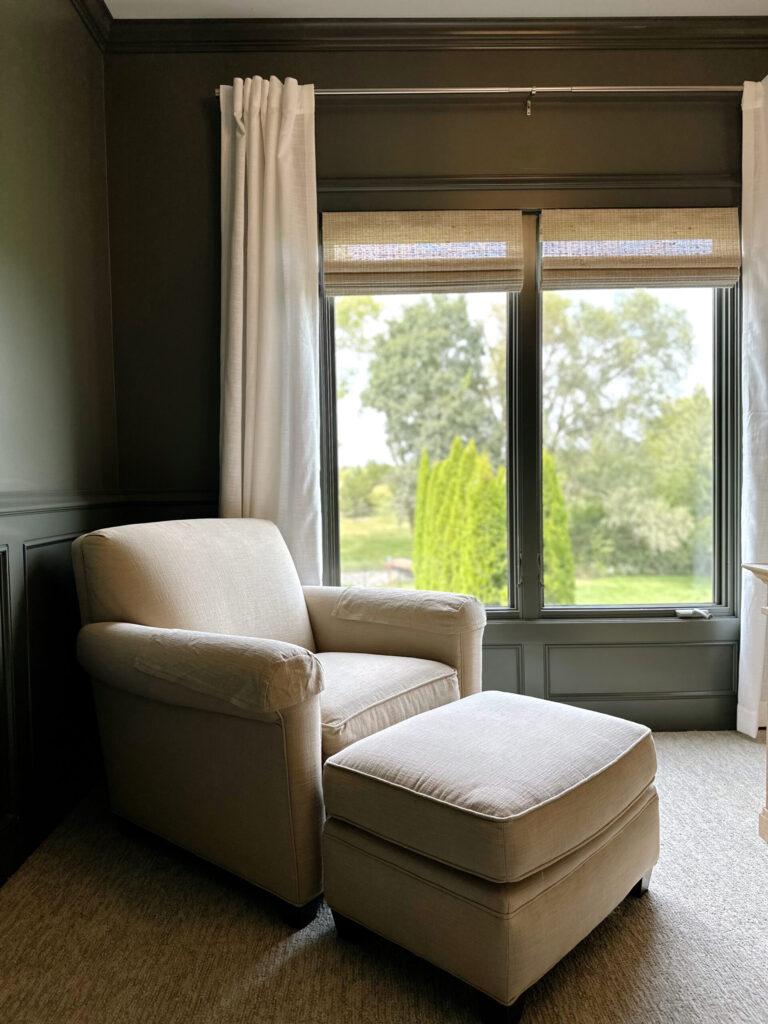
If life feels overwhelming, having a dedicated space to unwind is essential. Stephanie suggests creating a calm corner or meditation space to bring peace into your daily routine.
How to Set Up a Stress-Free Space:
🛋️ Choose a Cozy Chair or Soft Rug – Somewhere you feel physically comfortable.
🕯️ Incorporate Soft Lighting – Use warm bulbs, dimmable lights, or candles to soften the mood.
🌿 Add Natural Elements – Plants, wooden textures, or nature-inspired decor help reconnect you to the outdoors.
📖 Keep a Journal or Affirmation Cards Nearby – Writing or reflecting can shift your mindset instantly.
Jodi also shared her personal comfort-stacking technique—layering soothing scents, textures, and lighting to create a space that feels both luxurious and deeply personal.
Your Home Should Reflect Your Mental State—Not Control It
A well-designed space doesn’t mean perfectly styled Pinterest homes—it means creating an environment that supports your unique lifestyle, mental health, and emotional well-being.
Small Changes That Make a Big Impact
✅ Swap out harsh lighting for warm, ambient lighting.
✅ Declutter one small area at a time.
✅ Bring in natural elements like wood, linen, or plants.
✅ Add soft textures with blankets and pillows.
✅ Set up a calm corner for quiet reflection or relaxation.
🎙️ Want to dive deeper into the connection between mental health and design?
🎧 Listen to the full episode with Stephanie Butler on Designing in 5D!