
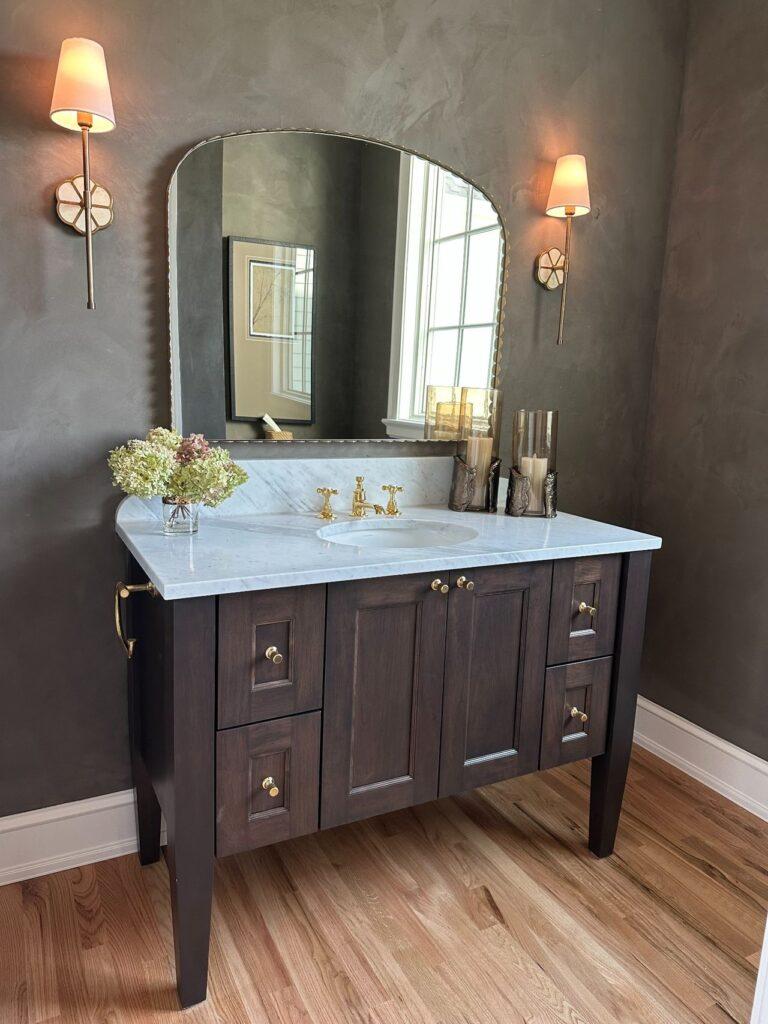
What if every design decision could actually increase home value with design choices — not just in beauty, but in financial return?
In this episode of Designing in 5D, Jodi Peterman, CEO of Elizabeth Erin Designs, sits down with Luxury Iowa REALTOR® and marketing strategist Tiffin Yamen to discuss how design and real estate strategy intersect — and why collaborating with your realtor early can help you make smarter upgrades, improve functionality, and elevate your home’s market value.
Together, they dive into how to time renovations for maximum ROI, the importance of cohesive flow and timeless design, and how emotional attachment (and lack of maintenance) can quietly cost sellers thousands.
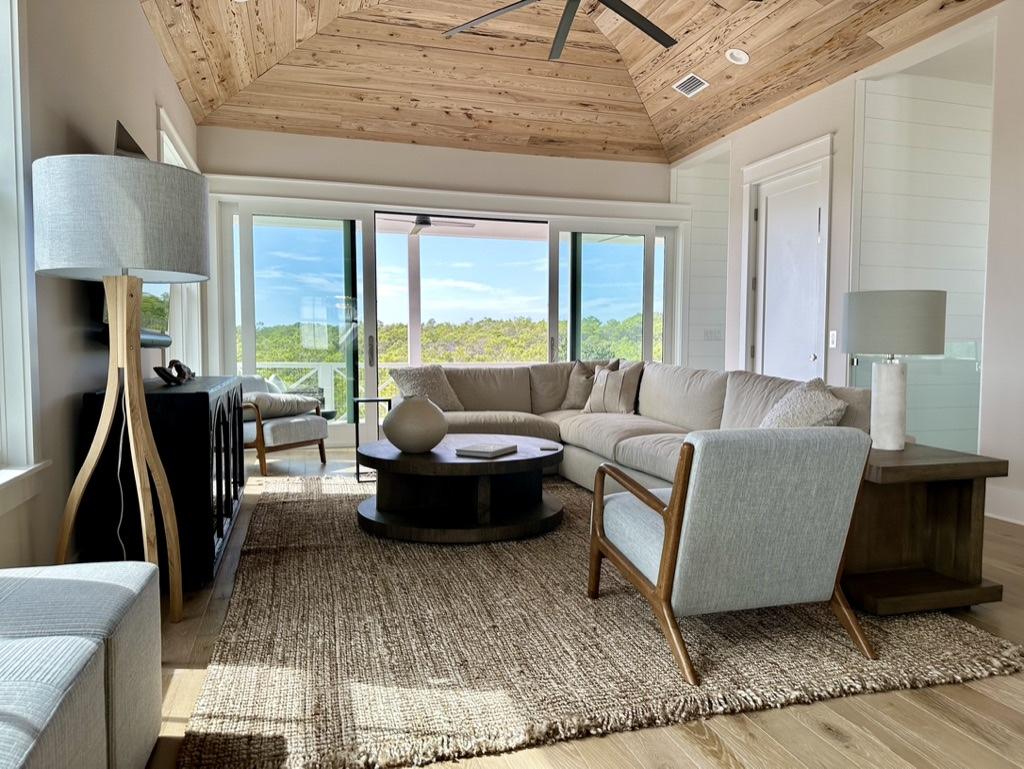
One of the biggest takeaways from our conversation? Don’t wait until you’re ready to sell to improve your home.
Tiffin sees it all the time — homeowners scramble to finish projects before listing, only to realize they never got to enjoy the updates.
“I just want people to enjoy their homes and live in them,” she says. “Do one smart project a year instead of everything all at once. That way, your investment feels good now and later.”
This incremental approach also prevents your entire home from aging out of style at once. Trends evolve roughly every 7–10 years — and while full renovations might feel tempting, they can quickly date your home if done too thematically.
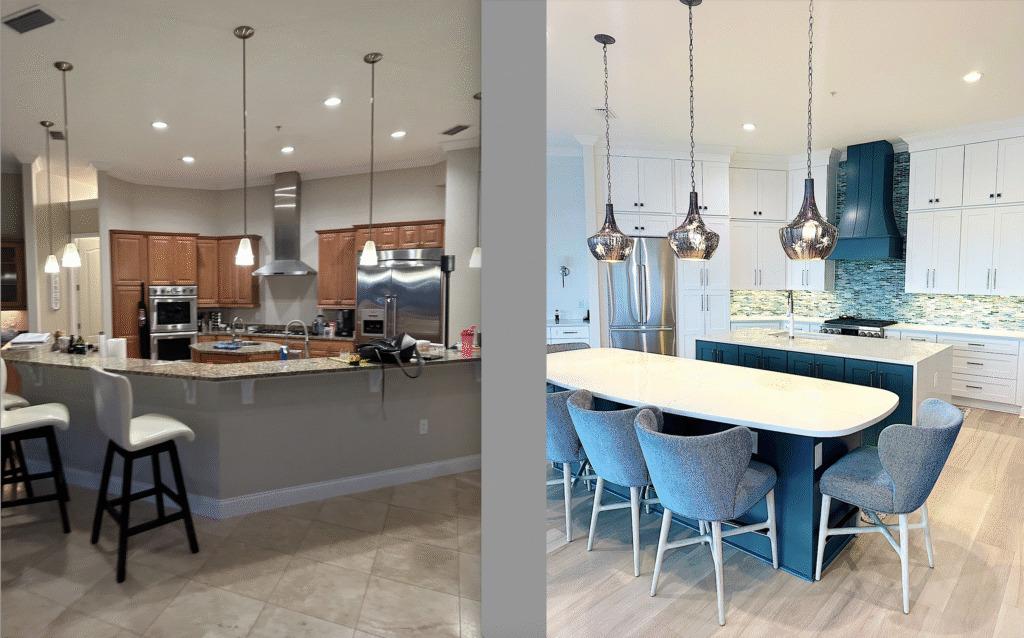
Realtors and designers often speak different languages — but when they collaborate early, clients win big.
As Tiffin explains, “A master plan makes all the difference.” She and I both recommend creating a “wish list” of projects two to three years before selling. This lets you prioritize updates, spread costs out, and ensure the design feels cohesive across every room.
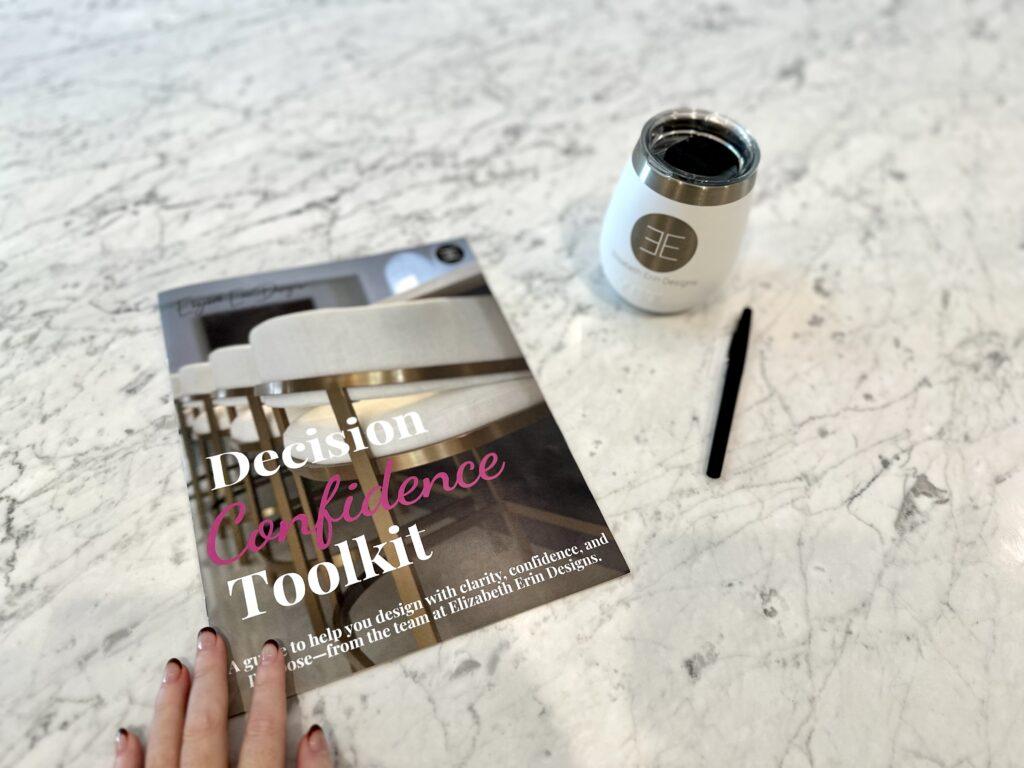
That’s exactly why we created our Decision Confidence Toolkit — a free downloadable guide that helps homeowners set a vision, outline priorities, and phase their projects like a pro.
💡 Tip: Start with the spaces that have the biggest functional and emotional impact — like kitchens, baths, and entryways — and align your design with what future buyers will value most.
One of the most enlightening parts of our talk came when I asked Tiffin what common mistakes cost sellers money. Her answer was simple — and a little tough love:
“There’s a difference between upgrades and maintenance. New countertops? That’s an upgrade. A new furnace after 30 years? That’s maintenance.”
It’s an important distinction many homeowners miss. Maintenance doesn’t necessarily increase value — it helps your home sell faster and signals that it’s been cared for. Upgrades, however, enhance desirability and can justify a higher asking price.
Buyers don’t just see finishes — they feel flow. Tiffin shared a story about a multimillion-dollar listing that wasn’t selling because the layout didn’t make sense.
A home with awkward circulation or mismatched styles can deter luxury buyers, no matter how much was spent on finishes.
That’s where design strategy comes in — ensuring that every space connects seamlessly, from your kitchen sightlines to the bedroom placement.
“If your home doesn’t flow, it doesn’t function — and if it doesn’t function, it doesn’t sell,” I always say.
When it comes to luxury home trends, post-COVID buyers are craving balance — spaces that promote wellness, relaxation, and entertainment.
Tiffin noted that in Des Moines, pools, covered patios, and outdoor living rooms are still among the most sought-after features. Indoors, steam showers, saunas, and cold plunge spaces are gaining momentum, often near home gyms.
“People want their homes to feel like a resort,” Tiffin explains. “They’re bringing that lifestyle home.”
Finally, we touched on something deeply human — the emotional attachment to our homes.
Tiffin says sellers often struggle to separate personal memories from business reality. Her advice? View your sale like any other transaction: with clarity and calm.
“Your home holds memories, but once you list it, it becomes a business deal,” she says. “It’s my job to protect your equity — and help you move forward with confidence.”
When you plan early and collaborate with professionals, you can increase home value with design choices that balance beauty, function, and ROI.
Whether you’re staying, selling, or somewhere in between, every design choice contributes to your home’s story — and its long-term value.
Intentional design and informed real estate strategy go hand in hand. When you plan early, collaborate with professionals, and make decisions rooted in both style and substance, you don’t just build equity — you build peace of mind.
✨ Ready to start your plan?
Download the Decision Confidence Toolkit — your step-by-step guide to designing smarter, not harder.
🎧 Listen to the full episode of Designing in 5D featuring Tiffin Yamen on Spotify, Apple Podcasts, or YouTube.
#AchieveYourVision 💛
— Jodi Peterman, CEO of Elizabeth Erin Designs